
By Rachel Bolton, multimedia journalist and photographer
We are spoilt for choice when talking about magazines. If your local newsstand doesn’t have what you’re looking for, I can guarantee the perfect magazine for you exists somewhere. Audiences can read precisely what they want, when they want, without having to wade through pages upon pages of content they aren’t interested in, and in return, publishers are given a trusted network of customers.
It has to be said though, that this isn’t a perfect fit for every publication, but I suppose the question to ask is, is your magazine eye-catching, or is it just becoming a product of gatekeeping?
Everyone likes different things and in turn, everyone reads different things. This is what magazines were ultimately created for, and so it can be no bad thing – right? But is this need for a specific niche starting to limit any potential for new and more diverse audiences?
Subject matter is important, especially for regular readers. However, aside from usual customers, there are those that choose to read a magazine based entirely off the cover and what promise it holds – which is where hyper-targeting can become an issue.
Judging a book by its cover
In 2024, The University of Thessaly discovered that we spend only 200-300 milliseconds scanning cover images before moving on. This study was related to books, but I believe the premise is still relevant. Although this seems like no time at all, it clearly shows that what is put on front covers is actually of great importance as overall, these fractions of a second ultimately decide which magazine gets picked up, and which doesn’t.
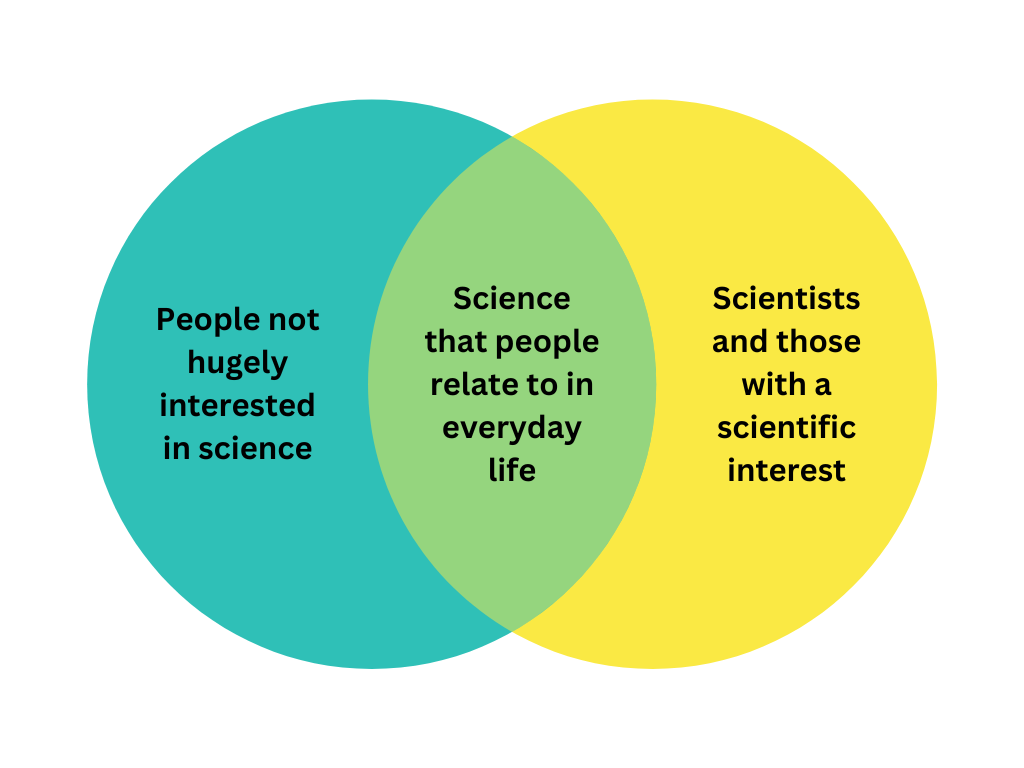
A personal example was through my discovery of New Scientist. I had heard of the publication before but had stayed away as I thought it was reserved for highly intellectual, scientific minds who were brilliantly involved with astrophysics and microbiology…until I went into the Co-Op.
All I remember is that the article was something about chronic illness – not just the scientific elements, but through more of a practical, lifestyle conversation. But the article wasn’t what caught my eye – it was the information on the cover of the magazine advertising the article that made me want to read it.
Without this, I would have never picked up the magazine. But because the publisher carefully chose what type of words, the sneak peeks to include on the cover – they attracted an audience they wouldn’t normally get.
Afterwards, I gave the magazine to my dad to read and now he is a regular subscriber, with myself reading his copies now and again too.
Covers (and cover lines) are important as they attract wider audiences.
However, sometimes covers can have the opposite effect.
Take The New Yorker as a second example. Every edition’s front cover, for the last 101 years, has been beautiful, unique, imaginative and more. Despite this, many view it as an elitist magazine, but on the contrary, when you bypass the cover of the magazine, and go to The New Yorker website, you’re met with the opposite. Instead of seeing pages upon pages of ‘elitist’ articles, you’re met with much less high-brow content like that of ‘Mr. Men I’ve Dated’, and ‘This Summer’s Hottest Audiobooks for Dogs’, both of which I’d expect to see on websites like Buzzfeed.
Covers matter. Despite the age old saying to never judge a book by its cover, sometimes, you have to stray away from cultural norms. Sometimes, you have to experience something new. And sometimes, the cover is the most important element of a publication as without a cover (or at least without a good one) no one will read it.

Rachel Bolton is a multimedia journalist and photographer based in Scotland with a big interest in arts and culture, as well as documentary work.
She is in her final trimester (in 2026) of a master’s degree in journalism at Edinburgh Napier University, where she has been refining her writing, research and technical skills in hopes of building a successful journalistic career post-graduation.